Mention Titanium, and many people immediately think about aerospace engineering. That's understandable, but the reality is changing. Titanium is steadily moving beyond aircraft components and entering a wide range of industrial applications throughout Mumbai's manufacturing landscape.
Its appeal lies in a rather impressive combination of properties. Titanium is lightweight, remarkably strong, and highly resistant to corrosion. These characteristics make it an attractive material for sectors where durability and operational cleanliness are essential.
Pharmaceutical companies operating around Mumbai increasingly explore titanium for process equipment exposed to aggressive cleaning cycles. Desalination facilities value its resistance to seawater corrosion, while medical device manufacturers appreciate its compatibility with sensitive applications. It's fascinating how one material can serve industries that appear completely unrelated.
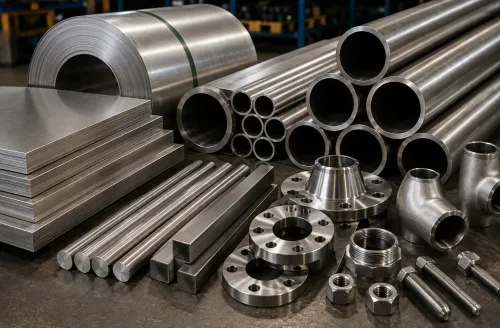
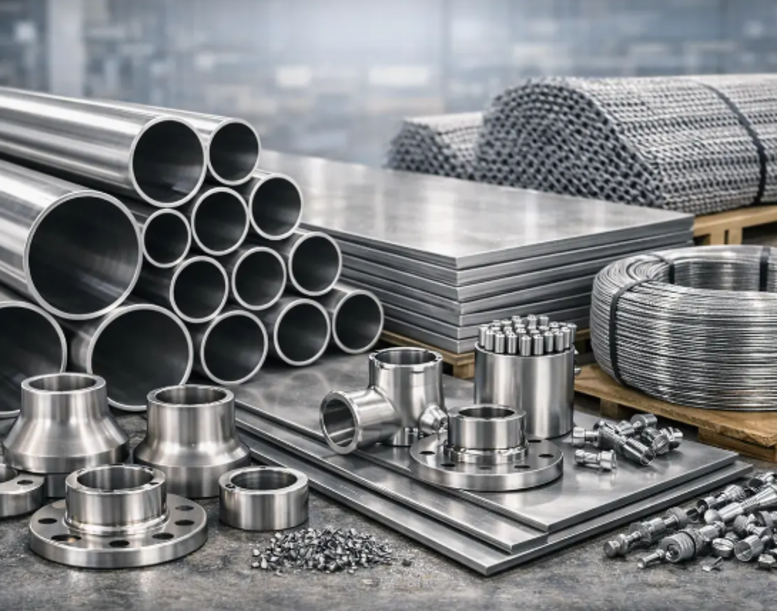
Procurement professionals evaluating specialty metals frequently compare titanium with products such as ss plate, ss pipes, ss tubes, and even nickel alloys. Each material offers advantages, of course, but titanium often becomes the preferred choice when reducing maintenance requirements and extending equipment lifespan become primary objectives.
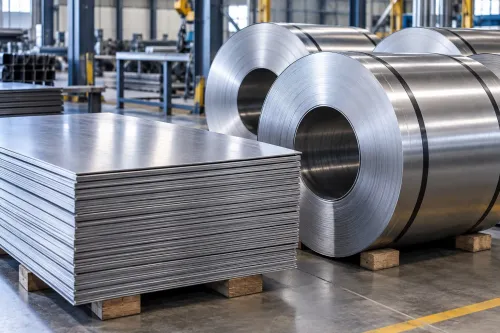
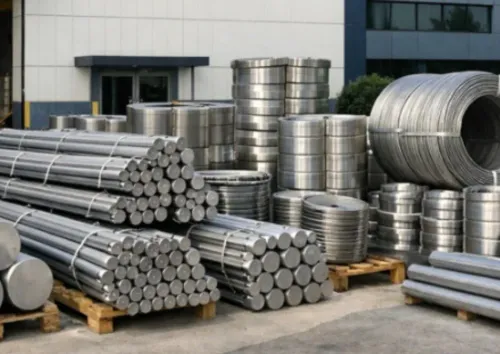
Demand patterns are evolving in other ways too. Buyers now seek customized products rather than standard stock dimensions. Precision-cut plates, machined bars, fabricated assemblies, and application-specific components are becoming increasingly common requests. This trend reflects a broader movement toward project-oriented sourcing.
Alongside titanium, complementary materials remain important. Fabricators often combine titanium systems with ss fastners, corrosion-resistant ss valves, and engineered ss pipe fittings to maintain system compatibility and performance consistency. Careful material selection helps avoid galvanic corrosion concerns and supports long-term operational stability.
Mumbai's position as one of India's most significant commercial hubs creates opportunities for businesses seeking specialty materials backed by certification and international quality standards. Export-oriented manufacturers, in particular, prefer suppliers capable of meeting stringent documentation requirements.
IMercury Metalinks continues observing these developments while engaging with customers who are increasingly interested in advanced materials. The conversations are changing. Instead of asking only about pricing, businesses now discuss performance expectations, maintenance savings, and lifecycle value.
For organizations considering new process installations or modernization projects, evaluating titanium at an early planning stage may provide valuable insights. Sometimes, selecting a premium material upfront can significantly influence operational efficiency for years to come.
Planning a new installation or evaluating material upgrades? Speaking with IMercury Metalinks about titanium solutions and complementary metal products may provide useful insights for improving long-term equipment performance and reliability.