Aluminum is often selected when engineers need a practical balance between low weight, corrosion resistance, conductivity and fabrication capability. Its usefulness, however, depends on choosing an appropriate alloy, temper and product form.
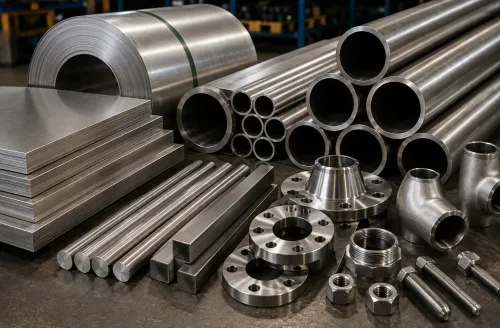
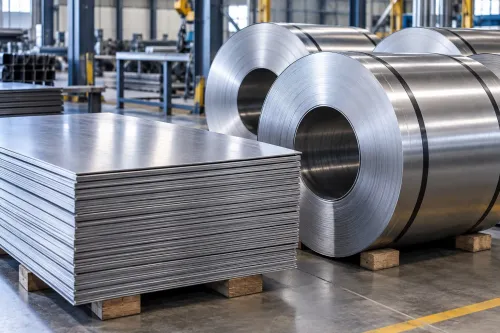
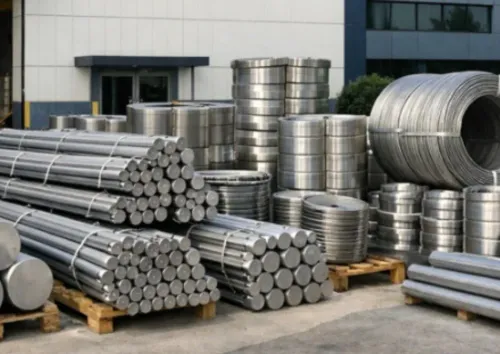
An Aluminum Products Supplier may provide sheets, plates, coils, rods, bars, pipes, tubes, wires, flats, angles and channels. These products are not interchangeable because each form supports different manufacturing requirements.
What Should Engineers Evaluate?
The first consideration should be the component's function. A lightweight structural part may prioritize strength-to-weight performance, while an electrical application may place greater emphasis on conductivity. Fabrication requirements can make formability, machinability or surface condition more important.
For engineering businesses in Mumbai, aluminum can support construction, transportation, electrical, marine, industrial and general fabrication requirements.
Alloy selection matters because grades can differ in strength, workability and corrosion performance. Buyers should therefore avoid specifying material solely as “aluminum” when the application has defined technical requirements.
For help evaluating aluminum product forms and specifications, Mercury Metalinks can discuss application requirements with buyers sourcing materials in Mumbai.