A fabrication project rarely needs “structural steel” as a single purchase: it needs specified sections, grades, lengths, documents, processing and delivery conditions. By the end, you will be able to compare Mumbai supplier types on landed cost, select material from the drawings, and check each delivery before it enters fabrication.
Key takeaways
- Specify grade, section size and standard for every purchase-list line.
- Compare delivered cost, cutting, transport, lead time and minimum order quantities.
- Match drawings to IS standards, mill certificates and inspection requirements.
- Record heat numbers, dimensions, surface condition and document checks on receipt.
What materials belong on a Mumbai fabrication purchase list?
A Mumbai fabrication purchase list should identify product form, not merely “structural steel.” Specify the grade and section standard for each item, because a supplier may stock beams but source hollow sections or plates.
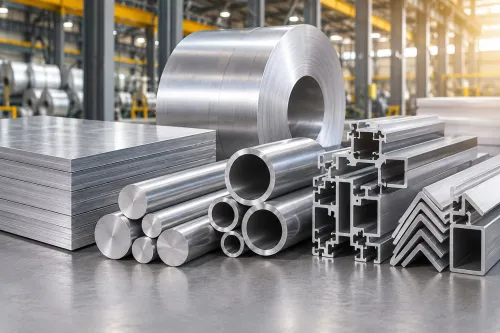
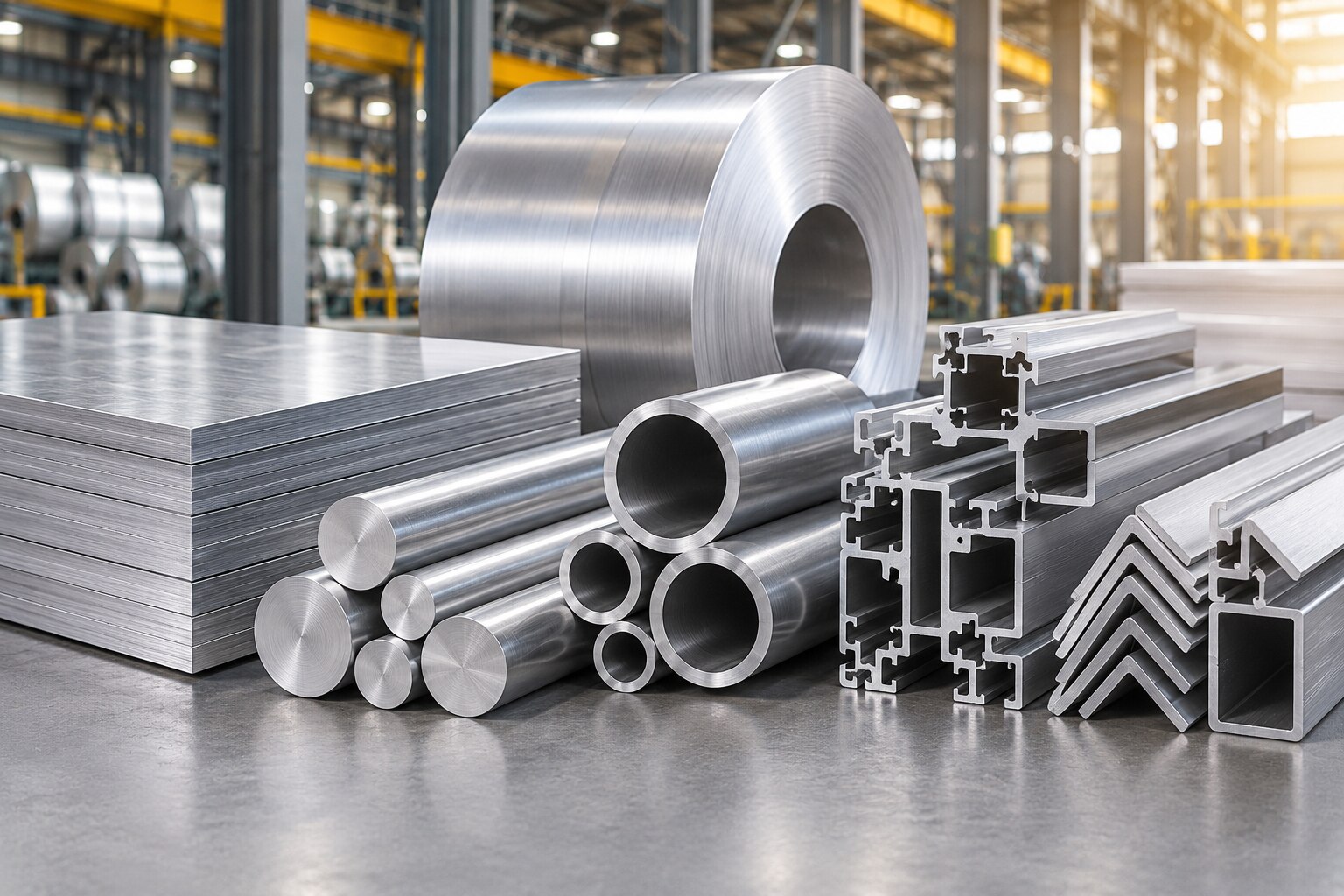
- ISMB and ISWB beams; ISMC and ISLC channels; ISA angles
- Rectangular and circular hollow sections
- Plates, flats and rounds
- Gusset plates, cleats, bolts, nuts and washers
| Form | Fabrication implication |
|---|---|
| Hot-rolled sections | Beams, channels and angles arrive with standard geometry and section properties. |
| Welded built-up members | Require plate cutting, welding, distortion control and weld inspection. |
| Hollow sections | Reduce exposed surface and simplify bracing, but require end closure, internal-corrosion control and connection detailing. |
| Plate assemblies | Allow flexible deep girders, but add weld length and inspection points. |
Match every item to the structural drawings, bill of materials and connection details. State the section designation, nominal mass, ordered length and quantity; do not order by approximate tonnes. For steel fabrication materials in Mumbai, also define cut-length tolerance, end condition, bundle marks and treatment of short lengths.
A similar mass per metre does not make one beam or channel an acceptable substitute. Different depth, flange width, thickness, radius, section modulus and buckling properties change strength and connection geometry. An engineer must approve substitutions.
This level of detail helps any buyer specify structural steel in Mumbai without turning a cutting list into an avoidable cost dispute.
Which supplier option gives the lowest landed project cost?
The lowest landed cost depends on what arrives ready for fabrication, not the lowest rate per kilogram. Compare the four routes against quantity, urgency, processing and delivery risk.
| Option | Best fit | Check before ordering |
|---|---|---|
| Local stockist | Mixed small quantities and urgent replacements | Minimum order quantity; available ISMB, ISMC, ISA and plate sizes; bundle identification; cutting capacity; delivery slots |
| Mill-direct purchase | Large, repeatable quantities | Higher minimum orders, longer mill lead times, mill lengths, and limited flexibility for short lengths or late drawing changes |
| Service centre | Cut and prepared material | Sawing, plasma or oxy-fuel cutting, drilling, blasting and priming; processing queue; cut-length tolerances |
| Project-specific fabricator | Members prepared for erection | Whether design responsibility, welding procedures, inspection and erection packing are included |
For a structural steel supplier serving fabrication projects in Mumbai, calculate material, cutting, drilling, testing, packing, loading, freight, taxes and unloading separately. A service centre can reduce shop labour and scrap, but an unpriced processing queue or loose cut-length tolerance can erase that saving.
Add traffic restrictions, vehicle length, site access, crane or forklift availability, unloading space and monsoon protection. Define the ordered length, squareness, end condition, bundle marks, short-length treatment and whether billing uses actual weighment or theoretical mass. Mercury Metalinks is easier to compare when its quotation states each quantity, service, document and delivery assumption separately.
How do drawings determine the grade, section and compliance documents?
Read the member mark, section designation, grade, thickness and length directly from the approved structural drawings and bar bending or cutting schedules. Do not order “mild steel” by approximate tonnes.
In structural steel procurement, material grade and section geometry are separate decisions: IS 2062 sets structural steel material requirements; IS 808 covers dimensions and sectional properties for hot-rolled beams, channels and angles; IS 1161 applies to structural steel tubes.
Confirm these points before issuing the purchase order:
- State the IS 2062 grade and quality or subgrade, such as E250 or E350, plus the required thickness range, weldability provisions and impact-test temperature where specified.
- Obtain a mill test certificate tied to each delivered heat or cast number. It must identify chemical analysis, tensile and yield results, elongation, impact results where required, product dimensions and delivery quantity.
- Request dimensional inspection records when depth, flange width, thickness, straightness or section tolerances are critical.
E350 and higher-strength grades provide greater yield strength than E250, but they do not automatically justify a smaller section, thinner connection plate or altered bolt and weld detail. A section with similar mass per metre can have different depth, flange width, section modulus and buckling properties.
For structural steel in Mumbai, coordinate purchasing with the applicable IS 800 design and execution requirements and IS 875 load assumptions.
An engineer must approve any substitution affecting grade, depth, flange width, thickness, section modulus, buckling properties or connection geometry. Commercial approval alone is insufficient.
What should the purchase order and incoming inspection record?
Make the purchase order an acceptance checklist, not a vague request for structural steel procurement.
1. State the product standard, section designation, grade and quality designation, thickness, mill length or required cut length, quantity, permissible dimensional and weight tolerances, surface condition, straightness, camber and cut-end condition. Add the galvanizing or primer system, packing method, bundle marks and unloading instructions.
2. Specify whether payment uses actual weighment or theoretical mass calculated from section tables. State the permitted weight variance and whether cutting scrap, offcuts or short lengths are chargeable; otherwise steel fabrication materials in Mumbai can arrive with cost-shifting remnants.
3. Before fabrication, reconcile heat-number markings on beams, channels, plates and bundles against each mill certificate. Transfer the heat number to every part after cutting so traceability survives nesting and processing.
4. Record checks made with calibrated tools: depth, flange width, web and flange thickness, plate thickness loss, length, squareness, camber and straightness. Inspect for laminations, cracks, deep pitting, loose rust scale, arc strikes, gouges and impact damage.
5. Do not reject surface rust alone. Segregate material when measurable section loss or pitting exceeds the specified tolerance, then obtain an engineering disposition before use.
6. Complete the incoming inspection record before mixing stock into production. Enter quantity or weighment, certificate references, bundle marks, inspection results, photographs, nonconformance numbers and final disposition. Capture cut-length tolerance, end condition and bundle identity at delivery, not after the material reaches the shop.
How does the material choice change fabrication and delivery work?
Material choice changes fabrication hours, inspection effort, transport and erection risk, not just the steel rate.
1. Freeze the cutting list from approved drawings, confirm stock lengths, and nest plates and sections to control kerf and offcut losses. Hot-rolled beams, channels and angles offer standard geometry and quick marking; built-up members and plate assemblies need plate nesting, longer welds and more inspection.
Hollow sections reduce exposed surface but require connection and end details.
2. Cut and mark every part, then prepare bevels. Check weldability, carbon equivalent, thickness and restraint; approve the welding procedure and compatible consumables. Apply preheat when required by grade, thickness, restraint and procedure. Control weld sequence and distortion, then inspect welds. A lower rate can vanish through bevel work, preheating or distortion correction.
3. Blast, prime or galvanize to a written system. Specify surface preparation, primer, dry-film thickness and repair treatment for painted steel. Galvanized parts need vent and drain holes; hollow sections need sealed ends or drainage details where the design requires them.
4. Pack by erection sequence and choose raw lengths, cut kits or fabricated assemblies. Transport planning must match bundle weight, member length, vehicle route, unloading space and lifting limits. Long beams need route and unloading planning.
5. Unload onto dunnage and store steel off bare ground under breathable covers. Prevent standing water during Mumbai’s monsoon. Site congestion and rehandling can erase savings, so include them in structural steel procurement for structural steel fabrication projects in Mumbai.
Frequently asked questions
What materials belong on a Mumbai fabrication purchase list?
List each beam, column, plate, angle, channel, hollow section, pipe and connection item by product form, grade, size, standard, quantity and required finish.
Which supplier option gives the lowest landed project cost?
Compare the delivered total: material price, cutting, loading, transport, unloading, taxes, wastage, minimum quantities, lead time and replacement risk.
How do drawings determine the grade, section and compliance documents?
Read the member schedule, section marks, plate thicknesses, weld notes and design standard, then request the specified grade, dimensional standard and mill test certificate.
What should the purchase order and incoming inspection record?
Record grade, dimensions, tolerances, quantity, heat number, certificate references, surface condition, damage, actual measurements and accepted or rejected items.
How does the material choice change fabrication and delivery work?
Section weight, thickness, grade, cut lengths and surface finish affect handling equipment, cutting and welding procedures, storage space, transport planning and fabrication time.