A nickel alloy component is not made by applying one generic process to every grade. The route changes with the UNS designation, starting form, service environment, and design code, so you need to follow the material from certified mill stock through forming, machining, welding, heat treatment, inspection, and controlled dispatch.
Key takeaways
- Match the alloy grade and starting form to the component’s geometry and service conditions.
- Verify heat numbers, chemical certificates, dimensions, weld procedures, and inspection records before dispatch.
- Use controlled heat input and qualified procedures when welding nickel alloys.
- Choose hot-worked, machined, forged, or welded stock based on load and tolerances.
Which nickel alloy and starting form determine the production route?
Start with the alloy grade and component geometry, not with a melting furnace. Nickel alloy components in Chennai usually begin as certified mill stock that a fabricator cuts, forms, machines, welds, heat-treats where required, and inspects.
“Nickel alloy” covers materials with different strength, corrosion resistance, weldability, and heat-treatment requirements. Alloy 625 (UNS N06625), Alloy 600 (UNS N06600), Alloy 718 (UNS N07718), Alloy C-276 (UNS N10276), Alloy 825 (UNS N08825), and nickel 200 are not interchangeable.
| Starting form | Best fit | Route decision |
|---|---|---|
| Plate, sheet, strip, or coil | Nozzles and pressure shells | Wrought fabrication by cutting, rolling, forming, and welding |
| Bar or billet | Shafts, rings, and fasteners | Turning, milling, boring, or further forging |
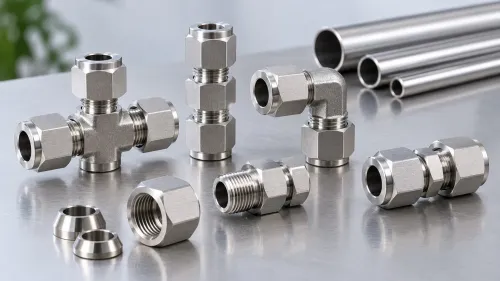
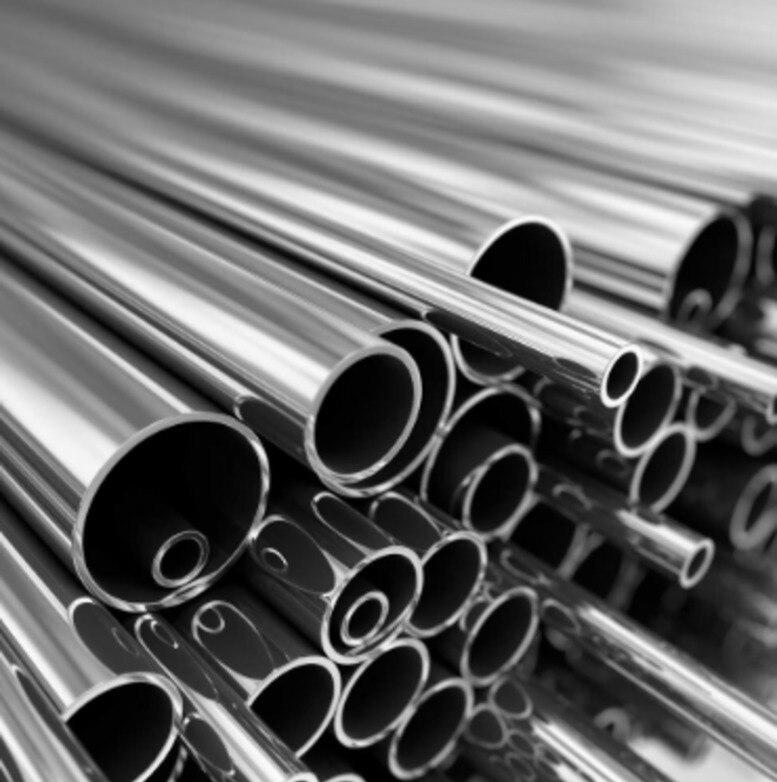
| Tube or pipe | Pressure and process lines | Cutting, bending, joining, and spool fabrication |
| Forging | Flanges and highly loaded parts | Use when directional strength and soundness matter |
| Casting | Complex shapes difficult to forge | Use a foundry route when machining from wrought stock wastes material |
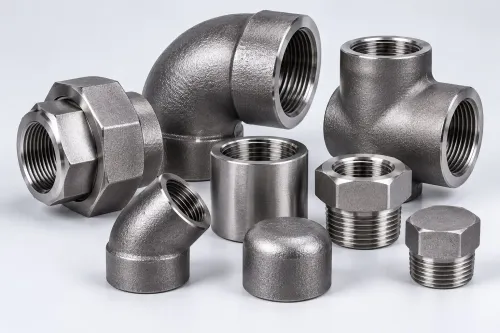
The material standard must match the form: ASTM B443 covers Alloy 625 plate, sheet, and strip; ASTM B564 covers forgings; ASTM B366 covers wrought fittings; and ASTM B444 covers specified pipe products. How are nickel alloy components made in Chennai?
Usually by selecting certified plate, bar, tube, pipe, forging, or fitting, then tracing its heat number—not by locally melting raw nickel.
How are nickel alloys melted, cast, refined, and hot-worked?
Primary mill controls determine whether nickel alloy stock remains sound during fabrication. The nickel alloy manufacturing process starts with a weighed, cleaned charge of nickel, alloying elements, and approved returns; vacuum induction melting controls chemistry and limits gas pickup.
The melt is cast into ingots or billets, then checked for segregation, inclusions, contamination, and porosity that can create weak zones, cracking, or uneven corrosion performance.
1. Electroslag remelting improves cleanliness and produces a more refined structure by melting the electrode through a controlled slag pool. Vacuum arc remelting gives demanding wrought grades tighter control of inclusions, segregation, and dissolved gases.
2. The ingot undergoes homogenisation before cogging, forging, or rolling. Mill controls include the grade-specific hot-working temperature window, reduction per pass, reheating interval, and recrystallisation behaviour.
3. A cold pass or excessive reduction can start cracks; insufficient reduction can leave an uneven structure that survives into plate, bar, or billet. Reheating outside the approved range can also change grain size and mechanical properties.
4. Alloy 718 needs controlled processing before solution treatment and precipitation hardening. Alloy 625, C-276, Alloy 600, and nickel 200 have their own forming and annealing requirements; “nickel alloy” is not a usable heat-treatment instruction.
Ask for the product condition and mill heat-treatment record, including furnace cycle and cooling method. Do not assume every nickel stock item received the same cycle.
What fabrication steps turn mill stock into a finished component?
Keep the heat number with every piece during segregation, cutting, and machining. Record it on the traveller and part marking before saw or plasma cutting; control plasma heat input and remove the heat-affected edge before forming.
The nickel alloy fabrication steps usually follow this route:
- Prepare edges by machining or grinding, then roll or press plate to form a shell, nozzle, or pressure part.
- Drill, turn, mill, and bore openings, faces, seats, and bolt circles; reserve final dimensional machining until forming and welding are complete.
- Turn bar into a shaft or machined ring, and machine a forging into a flange.
- Bend or fit tube into an elbow or fabricated spool.
- Fit cut plate and shaped parts into welded assemblies after cleaning and edge inspection.
Use a rigid, low-vibration setup, sharp tooling, continuous cuts, generous coolant delivery, and no dwell. Nickel alloys work-harden rapidly, conduct heat poorly, generate high cutting forces, and wear tools quickly; a setting that survives 316 stainless steel can ruin dimensions on Alloy 625 or C-276.
Use dedicated stainless or nickel-compatible tools, clean grinding media, and uncontaminated slings and worktables. Carbon-steel dust, wire brushes, and embedded iron can cause later rust staining or local corrosion. Inspect the finished dimensions, surface, holes, weld preparation, and markings before release.
How are nickel alloy welds, heat treatments, and inspections controlled?
A safe weld starts with a qualified welding procedure specification (WPS), not the welding machine. For nickel alloy components in chennai, the WPS must be qualified to ASME Section IX; a carbon-steel procedure cannot simply be copied.
1. Use GTAW for root passes and thin sections, GMAW or automated welding for higher deposition, and SMAW only where the qualified procedure permits it. Filler selection, dilution, shielding gas, arc energy, interpass temperature, joint restraint, and cleaning control hot cracking, porosity, distortion, and corrosion performance.
Keep carbon-steel dust, brushes, slings, and grinding media away from cleaned weld zones.
2. Qualify dissimilar joints separately when nickel alloy meets carbon steel, stainless steel, or low-alloy steel. Control the transition with the specified filler and, where required, nickel-base buttering; treating the joint as an ordinary same-grade weld can create cracking or an unsuitable corrosion boundary.
3. Set post-weld heat treatment from the alloy specification, design code, and qualified procedure. Alloy 718 may require solution treatment and aging to develop strength, while an unsuitable thermal cycle can reduce corrosion performance in another grade. Record furnace temperature, holding time, loading, and cooling method.
4. Verify the finished weld through visual and dimensional checks, dye-penetrant testing for surface-breaking cracks, and radiography or ultrasonic testing for internal weld conditions. Add hardness testing where specified and use PMI for alloy identification; XRF supports rapid sorting but does not reliably verify carbon, sulfur, or phosphorus.
What should a Chennai buyer require before dispatch?
Put the specification on the purchase order before fabrication starts. “Nickel alloy” is not enough to prevent a wrong grade, condition, or product form from reaching your site.
- State the UNS grade, product form, dimensions, ASTM or ASME specification, and material condition.
- Define service temperature, pressure, chloride level, pH, oxidising or reducing chemistry, and sour-gas exposure.
- State inspection requirements, including PMI, chemical analysis, mechanical testing, dimensional checks, and NDE.
- For sour service, identify ISO 15156/NACE MR0175 requirements; tensile strength alone does not prove suitability.
Require heat-number traceability from the finished flange, nozzle, shaft, fastener, elbow, or ring to the mill certificate. Request chemical analysis, mechanical results, heat-treatment records, NDE reports, weld maps, welder qualifications, and the qualified WPS.
| Certificate | What it confirms | When to request |
|---|---|---|
| EN 10204 Type 3.1 | Manufacturer-certified inspection results | Standard controlled supply |
| EN 10204 Type 3.2 | Manufacturer and purchaser or inspector verification | Design or purchaser requirement |
| PMI report | Rapid alloy-family identification | Receiving and segregation checks |
A capable nickel alloy supplier in Chennai, including Mercury Metalinks, should preserve this document trail and keep nickel stock separate from carbon-steel work. Dispatch components dry, identified by heat number, covered from salt and condensation, and protected from grinding dust.
Before installation, compare the marking, certificate, dimensions, PMI result, surface condition, and heat number. XRF cannot reliably verify carbon, sulfur, or phosphorus, so investigate discrepancies with laboratory analysis rather than accepting a matching handheld reading.
Related product
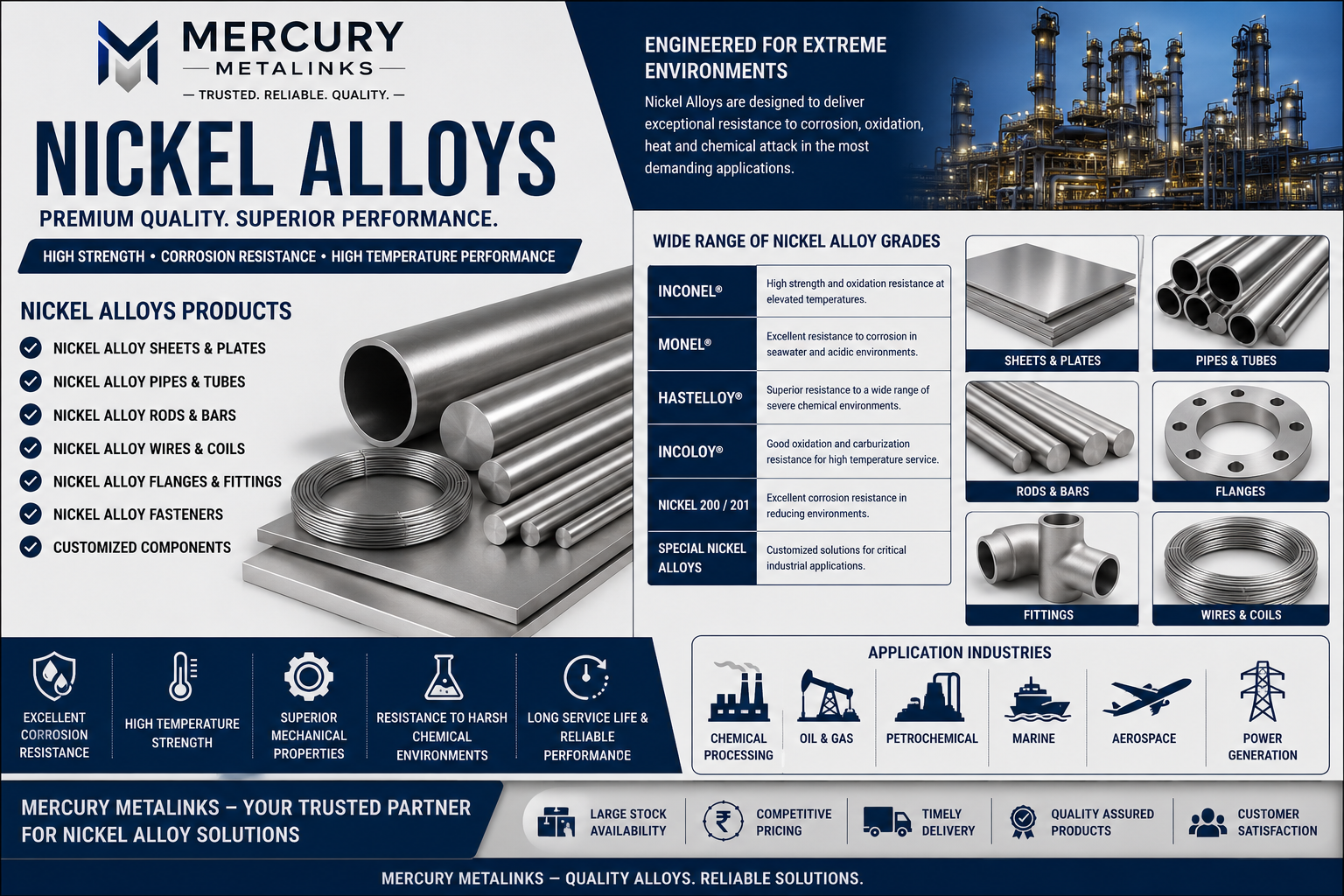 | NICKEL ALLOYS Products – Mercury Metalinks Mercury Metalinks is a leading supplier and stockist of high-quality Nickel Alloys Products, serving diverse industries... View product → |
Frequently asked questions
How does alloy grade affect nickel alloy component production?
The grade, required properties, and component geometry determine whether production starts with plate, bar, pipe, tube, forging, casting, or another mill form.
What are the main nickel alloy manufacturing process stages?
The route can include melting, casting, refining, homogenising, hot working, cutting, forming, machining, welding, heat treatment, and inspection.
Which fabrication steps turn nickel alloy mill stock into components?
Fabricators mark and cut certified stock, form or machine it to drawing dimensions, prepare joints, weld assemblies, finish surfaces, and verify critical dimensions.
How are nickel alloy welds and heat treatments controlled?
Use qualified welding procedures, compatible filler metals, controlled heat input, documented thermal cycles, and inspections suited to the alloy and service.
What should a Chennai buyer check before nickel alloy components are dispatched?
Require material test certificates, heat-number traceability, dimensional reports, weld and heat-treatment records, inspection results, packing details, and the approved drawing revision.